
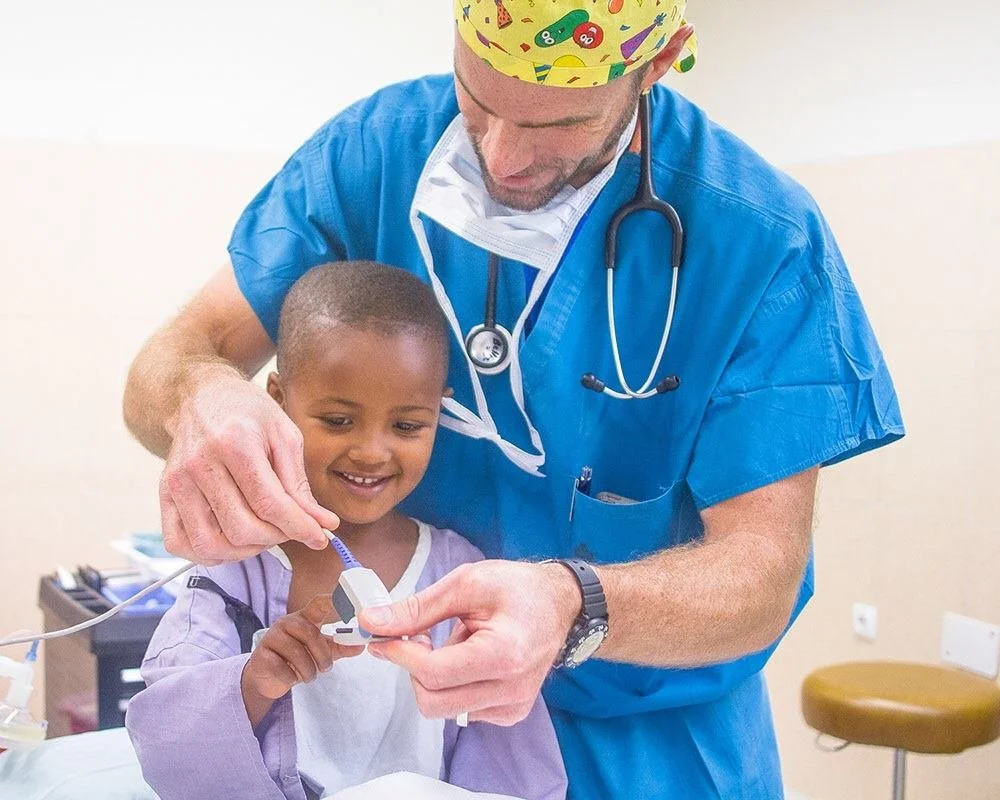
A Tear-Free Visit for Them, Peace of Mind for You
We know that for many children (and parents!), the dentist chair can be a scary experience. Whether it is a fear of needles, trouble sitting still, or just the need for extensive work, you want to protect your child from a stressful experience. There is also the stress you feel as a parent wondering if your child will be okay.
At Ascend Anesthesia, we turn a potentially traumatic appointment into a simple nap. We bring the safety standards, monitoring, and expertise of a hospital operating room directly to your dentist’s office. While your child drifts off into a safe, comfortable nap, you can finally breathe easy knowing they are in caring hands. Your peace of mind comes from knowing this isn't just "sleep dentistry"—it is expert medical care. You can relax knowing that a highly experienced, double board-certified physician is by their side, ensuring a safe, calm, and seamless procedure from start to finish.
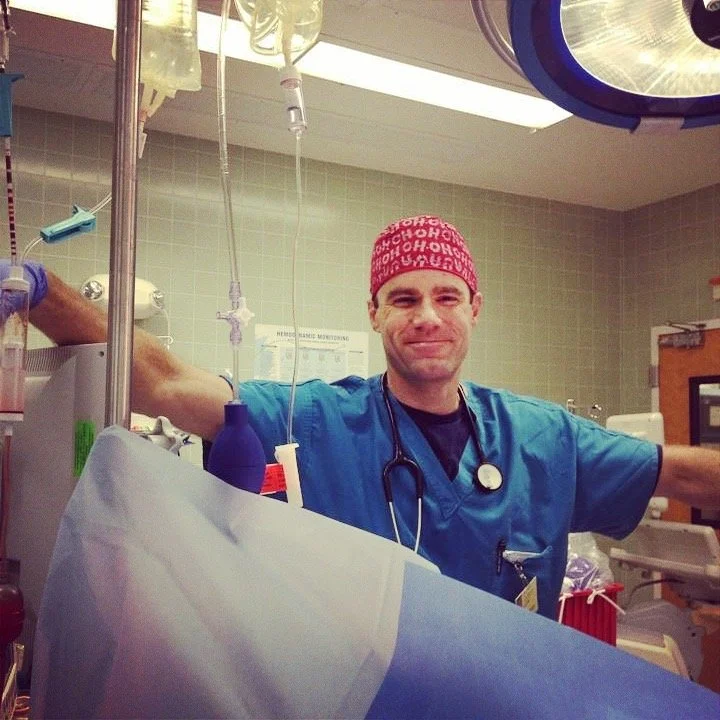
Meet Dr. Greg Bellig
A Father’s Heart with an Expert’s Hands
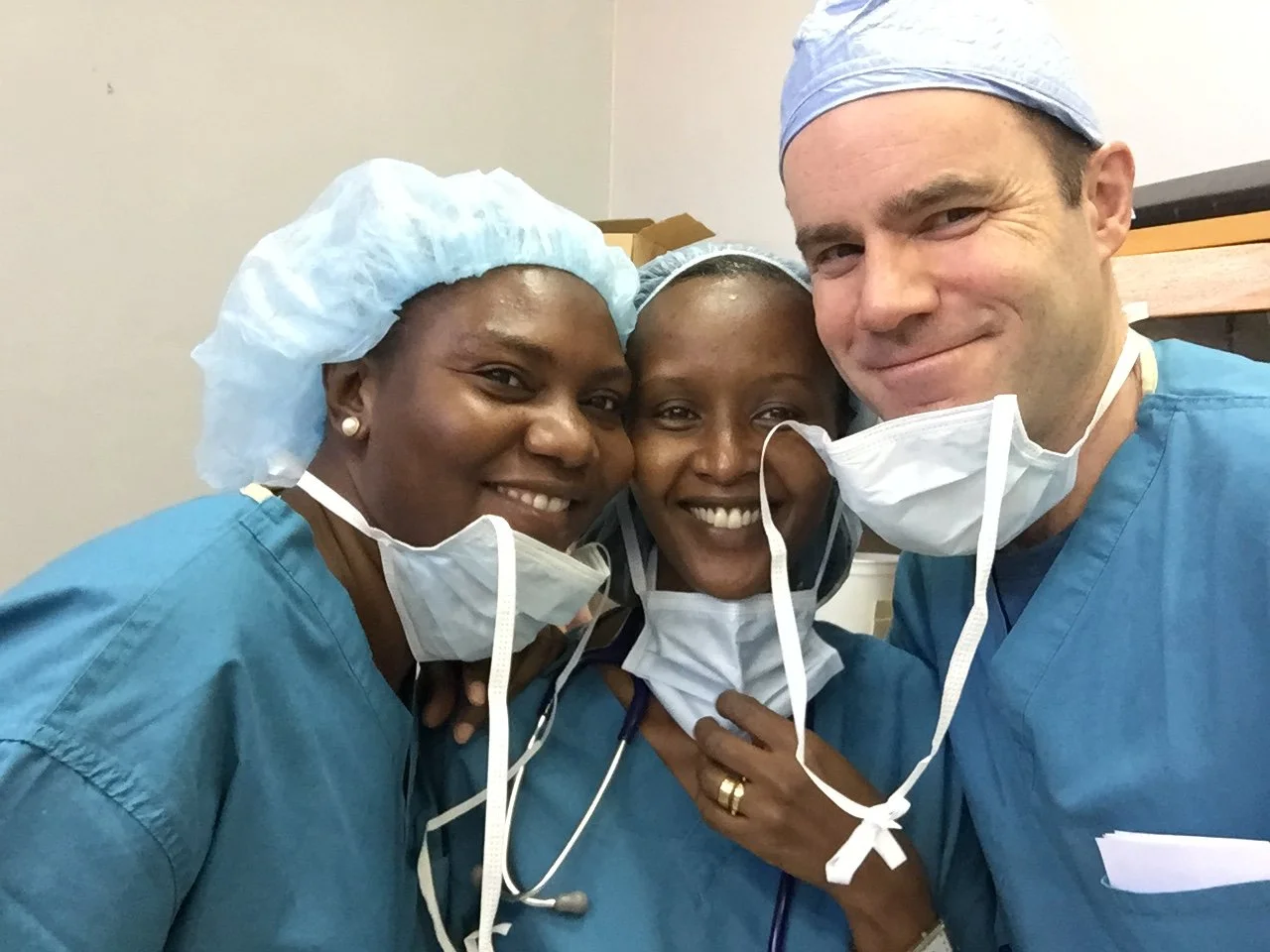
Safety is the only thing that matters when it comes to your child. As a Double Board-Certified Physician Anesthesiologist with over 25 years of experience, Dr. Greg has dedicated his career to keeping children safe during surgery.
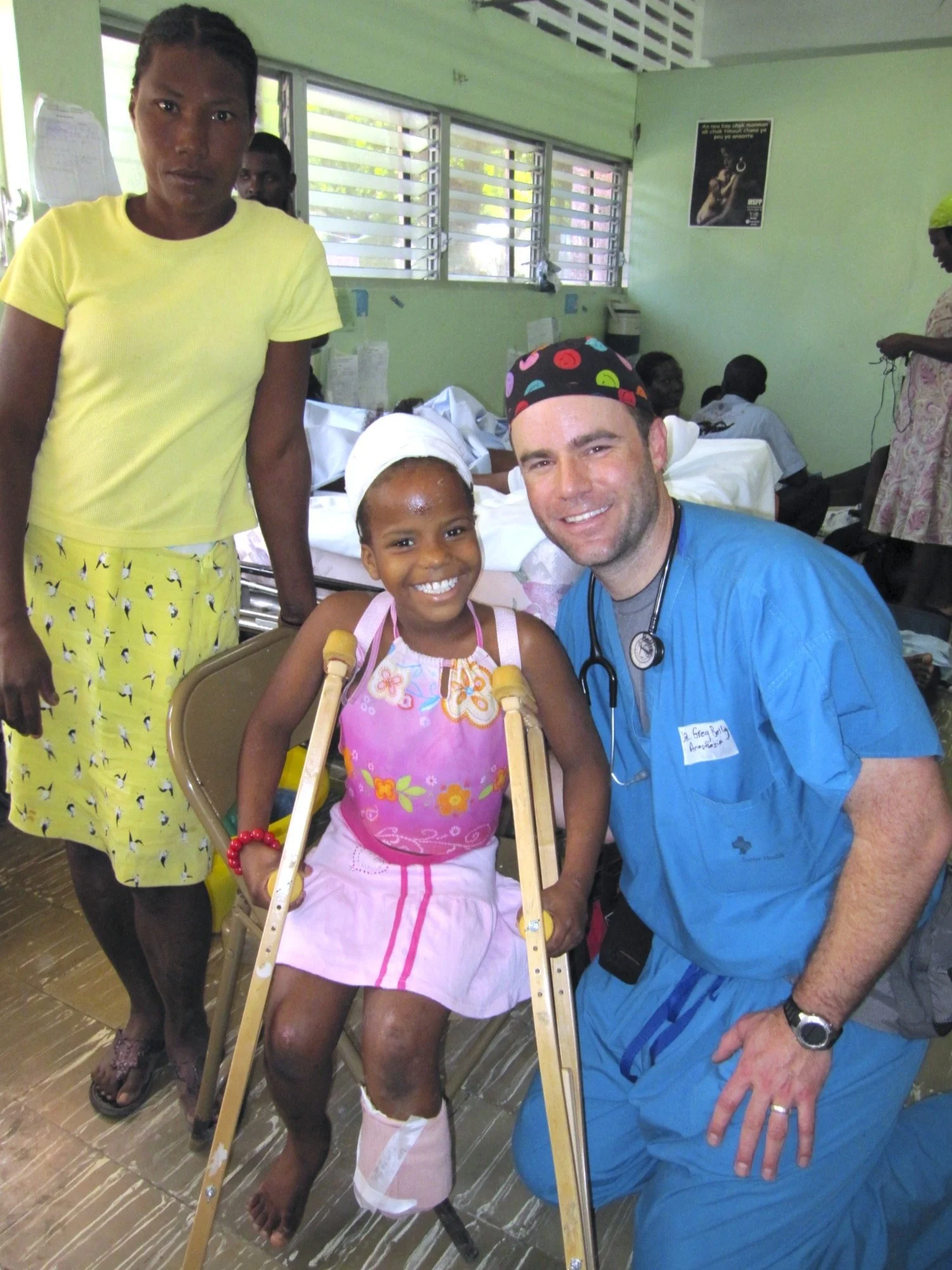
Before founding Ascend, Dr. Greg served as the Director of Pediatric Cardiac Anesthesia at Sutter Memorial Hospital, held a significant leadership role as the Chief Medical Officer for CURE International, a global organization dedicated to exapanding surgical access to children in developing countries, and now continues to care for children at UCSF Benioff Children’s Hospital, Sutter Medical Center in Sacramento, and children and adult patients at John Muir Hospital in Walnut Creek. He has spent decades managing the most complex cases, so he is over-prepared to take care of your little one.
But beyond the credentials, Dr. Greg is a husband and father of five. He understands that handing your child over to a doctor requires immense trust. He brings the same gentle, reassuring care to your family that he would want for his own.
Dr. Greg is a native of the San Francisco Bay Area. He completed his undergraduate studies at UC Berkeley, and earned his medical degree from Georgetown University School of Medicine. He completed an anesthesiology residency at Northwestern University, and advanced fellowship training in pediatric anesthesia at Chicago Children’s Hospital (now Lurie Children’s).
PREOPERATIVE INFORMATION & INSTRUCTIONS
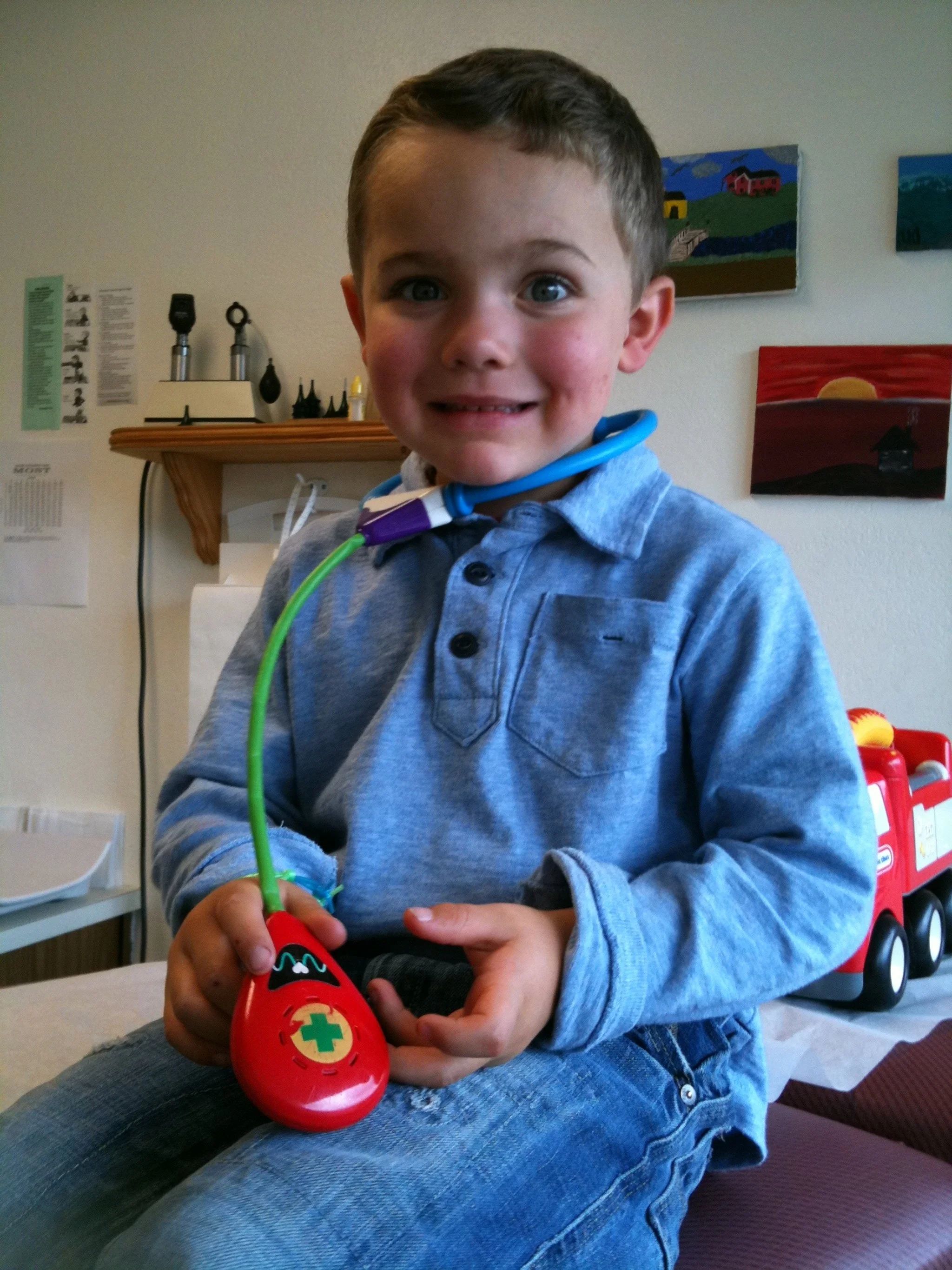
Getting Ready for Your Child's "Sleep Day"
We are so honored to care for your little one and want to make their upcoming dental visit as comfortable and safe as possible. To ensure everything goes smoothly, we need your partnership in preparing them for their big sleep. If your child has been feeling under the weather with a cough, cold, or congestion in the last two weeks, please reach out to us beforehand. It helps us make sure their breathing is perfectly clear for a safe nap. Also, please let us know if there have been any changes in their health or if they have allergies, specifically to eggs or soy, so we can tailor our care just for them.
One of the most important ways you can keep your child safe is by preparing their tummy. We ask that they pause on all solid foods—including milk, orange juice, and broth—starting 8 hours before their appointment. We know this can be tough, but an empty tummy is the very best way to protect their lungs while they sleep. The good news is that they can still enjoy clear drinks like water, apple juice, Gatorade, or Pedialyte up until 2 to 3 hours before they arrive. Please help them stick to these windows closely, even regarding "secret snacks" in the car, as we want to avoid any delays in their care.
On the morning of the procedure, we want your child to be as cozy as possible. Please dress them in loose, comfortable, dark-colored clothing, like a favorite t-shirt and soft pants or leggings. Two-piece pajamas are wonderful, but please avoid one-piece outfits or onesies, as separate pieces help us easily place our "safety stickers" (monitors) on their chest. Since they will be very relaxed, accidents sometimes happen, so we recommend bringing a spare change of clothes and having them wear a pull-up if they are still in that stage. For our older children and teens, please help them remember to remove makeup, jewelry, and contact lenses, and to tie back long hair so nothing gets in the way of their sleep mask.
We invite you to bring items that bring your child joy and comfort. A large, warm blanket from home is perfect for tucking them in, and a favorite stuffed animal or "lovey" is always welcome to cuddle with them as they drift off. We typically use a gentle mask to help them fall asleep naturally before we start any treatment, so they won't feel any pokes while they are awake. While they are sleeping, we may use a small breathing tube, which can sometimes leave them with a temporary sore throat or a little nose irritation afterward, but we will be watching them closely the entire time.
Finally, please make sure a legal guardian accompanies your child and stays close by during the procedure. We ask that you focus all your attention on your little patient on this day, so it is best to leave siblings at home or bring another adult to help, as we want to keep the waiting area calm and safe. If your child takes daily medications or uses an inhaler, please give those as usual unless we’ve chatted about a change, and bring the inhaler along just in case. We are so prepared to take great care of your family and look forward to seeing you soon.
AFTER CARE INFORMATION
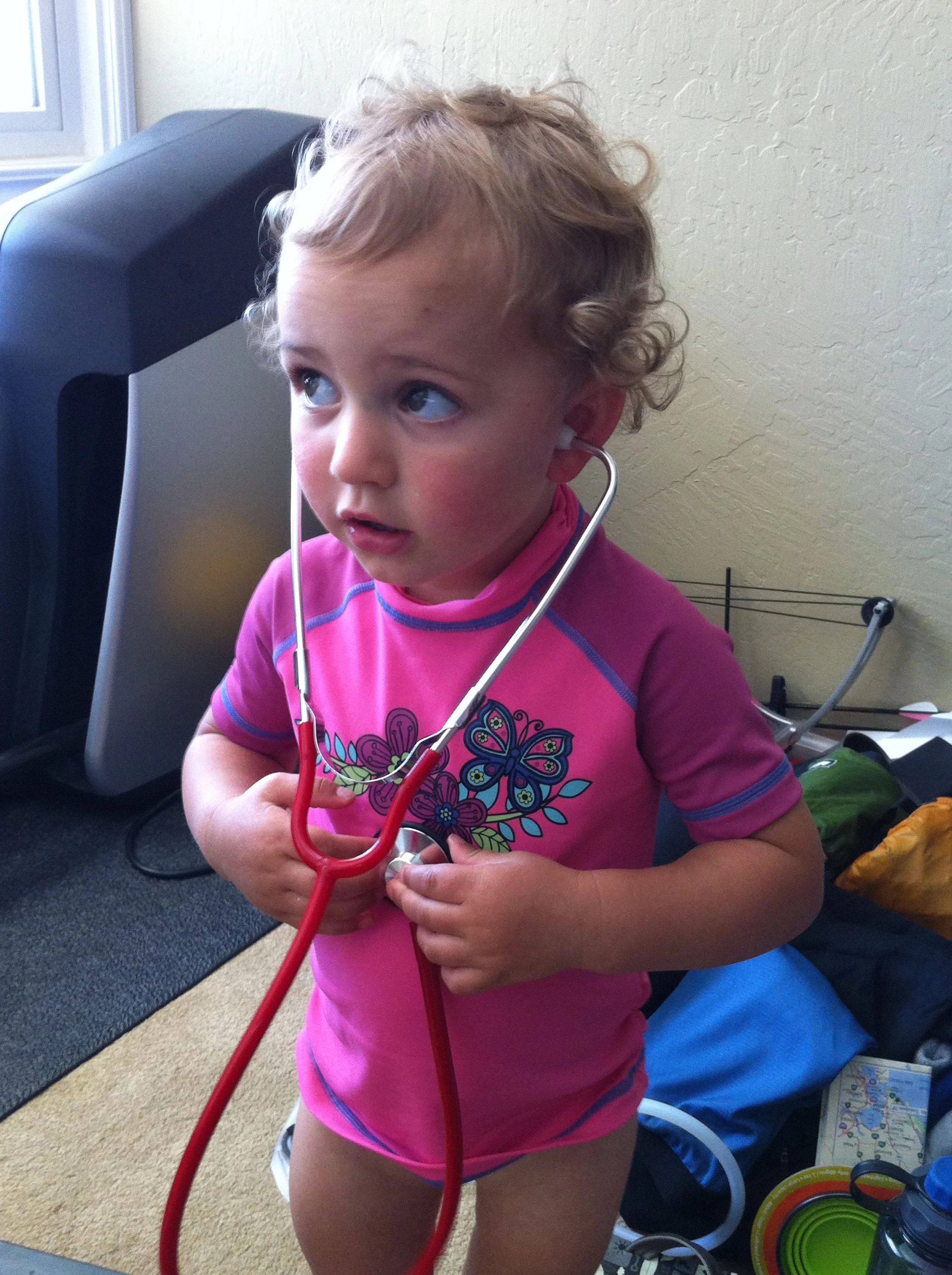
Caring for Your Child After Their "Sleep Day"
We are so proud of your child for doing such a great job today! Now that the procedure is finished, their main job is to rest and recover in the comfort of their own home. Because the sleepy medicine (anesthesia) can stay in their system for the rest of the day, we ask that you stay close by their side for the next 4 to 8 hours. Please keep a watchful eye on them, especially if they drift back to sleep, to ensure their head stays in a safe position where their chin isn’t tucking down toward their chest, which helps them breathe easily and deeply. Even if they seem wide awake, their coordination might be a little wobbly, so please hold their hand and help them walk to prevent any tumbles.
For the rest of today, think of your home as a "quiet zone." We recommend skipping sports, bike riding, swimming, or climbing on playgrounds for the next 24 hours to give their body time to fully bounce back. It is completely normal for children to wake up feeling a bit confused or tearful; this is usually just the medicine wearing off rather than pain, and the best cure is your comforting presence. You might also notice a little hoarseness, a sore throat, or a minor nosebleed, especially if we used a breathing tube, but these are common and typically fade away quickly on their own.
When it comes to eating, we suggest a "slow and steady" approach. Please wait until you are fully home to offer anything, as car rides can sometimes upset a sensitive tummy. Start with clear sips like water, apple juice, or popsicles. If those settle well after an hour or so, you can gently introduce soft, bland comforts like mashed potatoes, applesauce, or broth. It is best to save heavier favorites like pizza or chicken nuggets for tomorrow to avoid any nausea. If their tummy does get upset, simply pause for a bit and try small sips of water again later—patience is key here.
To keep your child comfortable, you can use children’s Tylenol or Motrin to manage any soreness, as they work wonderfully for dental discomfort. However, if we mentioned that your child received a medicine called Toradol during their visit, please hold off on the Motrin for at least 6 hours after the procedure (Tylenol is still okay!). Also, since their mouth might still be numb and sleepy for a few hours, please help them avoid hot drinks or crunchy foods, and watch to make sure they don’t accidentally nibble on their lip or cheek.
We are always here for you if you have questions. Please reach out to us if your child seems unusually sleepy after 6 hours, has a fever, or if nausea persists despite resting their tummy. While rare, if you ever feel concerned about your child’s breathing or if they are difficult to wake up, please call 911 right away so they can get the help they need immediately. We hope they have a restful recovery and are back to their happy, playful selves by tomorrow!
Contact Us
Interested in working together? Fill out some info and we will be in touch shortly. We can’t wait to hear from you!